Technique
Closed Guard BJJ: Break Posture and Build Your Attacks
Use closed guard to control posture, create angles and connect the hip bump, scissor sweep, armbar, triangle and kimura before your opponent stands.
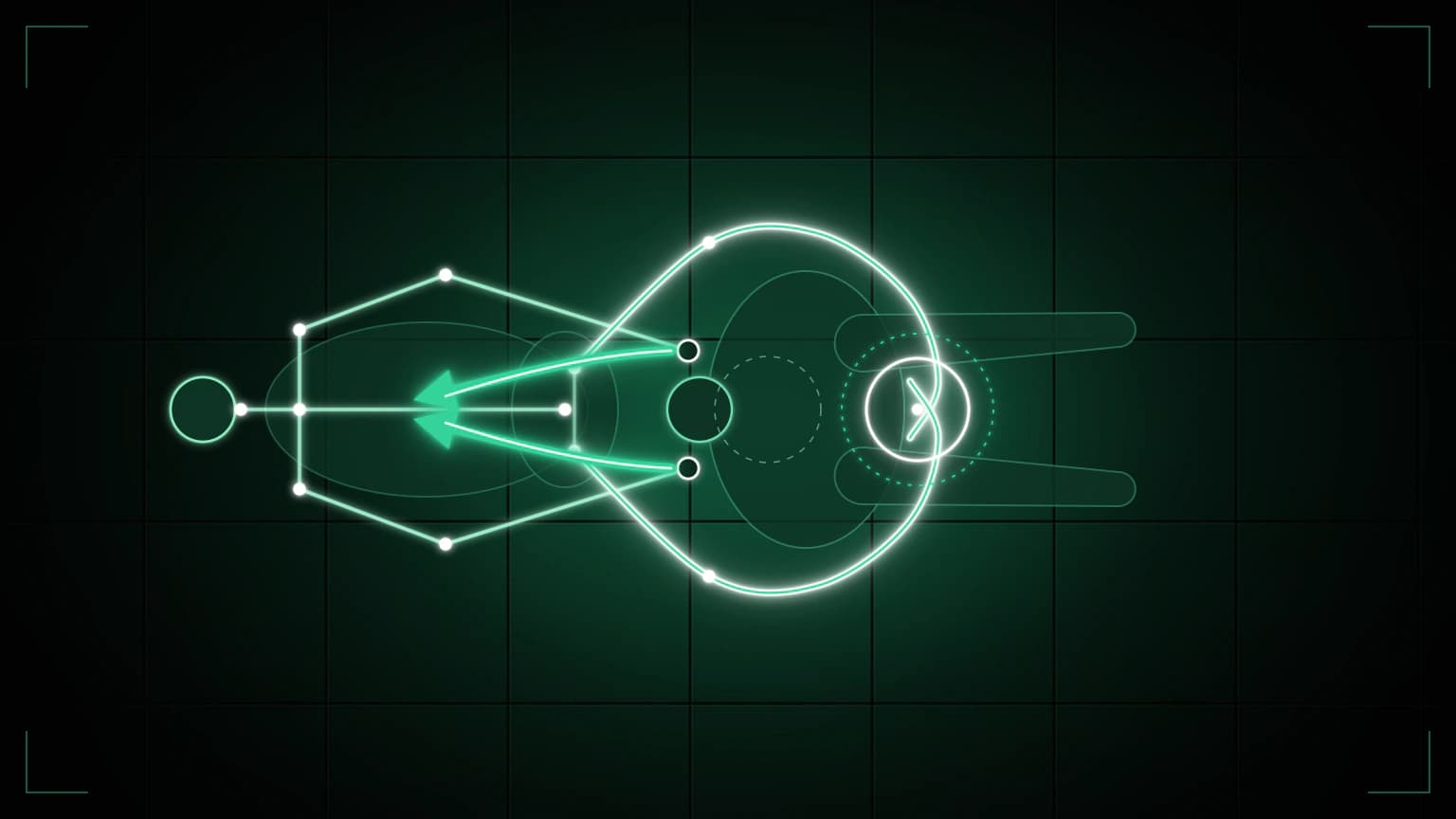
Closed guard is a bottom position where you wrap both legs around your opponent's waist and cross your ankles behind their back. Hold it to control distance and posture, then create an angle for a sweep or submission before your opponent opens your legs and starts a pass.
Your crossed ankles define the position, but your grips and hips make it useful. If you lie flat and squeeze your knees while your opponent stays upright, you spend energy without creating an attack. Break posture, connect your knees and grips, and move your hips off the center line.
Build the position before you attack
Close your legs around the narrowest practical part of your opponent's torso and cross your ankles behind them. Draw your knees toward your chest so their upper body comes closer. Keep your hips mobile enough to pivot.
In the gi, a collar and sleeve give you strong posture control. Grip a collar with one hand and control a sleeve, elbow, or second collar with the other. In no-gi, use wrist control, an overhook, an underhook, or a collar tie according to the sequence your coach teaches.
Think through three jobs:
- Control posture. Bring your opponent's head and shoulders forward or keep them from rising freely.
- Control a post. Tie up the hand or arm they would use to stop a sweep.
- Create an angle. Move your hips to one side so your legs attack across their shoulder line.
The BJJ for beginners guide explains positional hierarchy and the role of guard. Closed guard gives you an attacking position from the bottom, but top pressure can still tire you and limit your movement. Use the position to act.
Break posture with your whole body
Start by drawing your knees toward your chest as your grips guide your opponent forward. The legs move their torso while the arms keep the gained distance. Avoid pulling with your arms alone.
If your opponent posts both hands on your torso, control a wrist or sleeve and move one post away from the center. If they sit tall with their elbows tight, climb your knees higher and use your grips to interrupt their base. If they drive their head low, frame and create enough space to recover a useful angle.
Your head can stay on the mat while you break posture, but your hips should remain active. Curl your pelvis toward your opponent, shift onto one hip, and use the floor to move yourself. Lying square under their weight leaves both shoulders pinned and makes every attack longer.
Use this checkpoint before you open your guard: can your opponent posture freely, and do they have both hands available to post? If both answers are yes, rebuild control before you commit your legs.
Use grips that lead somewhere
A grip earns its place when it controls posture, removes a post, or opens the next attack. Collecting fabric without a plan tires your hands.
| Grip or control | What it changes | Attacks it can support |
|---|---|---|
| Collar and sleeve | Pulls posture forward and controls one post | Scissor sweep, triangle, armbar |
| Wrist control | Removes or redirects a posting hand | Hip bump, kimura, triangle |
| Overhook | Traps one shoulder and limits posture | Triangle, armbar, collar attacks |
| Underhook | Connects your torso and helps you sit up | Hip bump, back take, stand-up |
| Head and arm control | Keeps the upper body close | Angle changes and short attacks |
Keep your elbows connected to your ribs when you pull. Extended arms give your opponent a lever to strip. Change grips when the attack changes instead of protecting a dead grip after your opponent has solved it.
Connect the five core attacks
Hip bump sweep
Use the hip bump when your opponent sits upright or posts their hands behind your hips. Open your guard, sit up with one hand on the mat, and drive your hips toward their chest while you control the arm on the side you plan to sweep.
The sweep works best when you move as they recover posture. If they drive forward to stop your sit-up, their reaction can expose the kimura. Our BJJ sweeps guide covers the timing and the base you need to remove.
Scissor sweep
Break posture with a collar and sleeve, open your guard, and turn onto one side. Place your top shin across their torso while your lower leg blocks or removes the knee that supports their base. Pull with your grips and scissor your legs as you rotate onto your side.
Keep your body angled. If you stay flat, your top knee points upward and your legs lose the line that turns your opponent. Drill the posture break and angle before you add speed.
Armbar
Control one arm across your center, break posture, and turn your hips so one leg can climb over the head while the other leg controls the upper body. Keep the partner's thumb and elbow aligned according to your coach's finish.
The armbar guide gives you the grip, hip angle, and partner-safety sequence. In practice, secure the position slowly, agree on the tap, and release the moment your partner taps or says stop.
Triangle
Create a one-arm-in, one-arm-out position and lift your hips so one leg passes over the shoulder and neck. Turn your body to improve the angle before you connect your legs. Keep the trapped arm across and close space gradually under supervision.
The triangle choke guide explains the alignment and safe learning ladder. Never add a hard pull on the head to rescue a loose setup. Reset the angle with your coach.
Kimura
When your opponent posts a hand or drives forward during your hip-bump attempt, control the wrist, sit up, and connect your second arm around their upper arm into the figure-four grip your coach teaches. Keep their elbow close before you turn the position.
The kimura lock guide covers controlled practice. The shoulder can reach its limit before your partner has time to explain what feels wrong, so move slowly and release immediately on any stop signal.
Link attacks instead of forcing one
Closed guard becomes difficult to pass when each defense opens another route. Build a small chain you can remember during live rounds.
Try this sequence:
- Break posture and control one wrist or sleeve.
- Sit up for the hip bump as your opponent raises their chest.
- Take the kimura when they post the near hand.
- Return to closed guard when they pull the arm free.
- Use their forward reaction to set your triangle or armbar angle.
You do not need to finish every branch. The chain teaches you to recognize reactions. When your partner denies the first attack, keep the posture or arm control you already earned and move to the next option.
Respond when your opponent stands
Your opponent often stands to open the guard. Treat the first rise as a transition instead of holding closed guard until your ankles separate unexpectedly.
Control posture and a sleeve or wrist as they bring one foot up. Keep your hips attached and decide whether your coach wants you to sweep, transition to an open guard, or release safely. Do not let your head or neck carry their stacked weight.
When both feet reach the mat, you can:
- Underhook or control a leg only when the ruleset and your coach permit the chosen grip.
- Open your legs on your terms and place your feet into a guard you know.
- Use the angle and grip from a pendulum or similar sweep your coach has drilled.
- Sit up into a technical stand-up when distance and control make it safe.
Avoid crossing your feet behind their knees while they stand if that position twists your joints or traps you under a fall. Ask your coach for the exact standing-guard response that fits your ruleset and level.
Understand the IBJJF scoring point
Closed guard itself earns no points. Under section 4.6 of the IBJJF Rule Book, a sweep earns 2 points when you start from guard or half guard, invert the position, and maintain top control for 3 seconds. The official rule also covers specified variations, so read the current book for the event rather than applying one summary to every exchange.
That rule changes how you finish the hip bump or scissor sweep in competition. Continue into stable top control and hold it. A reversal that starts outside guard may receive different treatment under the rules.
Use the IBJJF weight class finder for tournament preparation, and confirm the organizer's current event documents before you compete. Weight, uniform, age, belt, and technique rules can change which division and actions apply.
Fix the common closed-guard mistakes
You squeeze without breaking posture
Your legs stay closed, but your opponent sits upright and works on your grips. Pull your knees toward your chest, control a post, and move your hips. The ankles maintain the position; the rest of your body creates the attack.
You open before you control an arm
Both hands remain free, so your opponent posts and begins a pass. Secure posture and one post first. Open your legs as part of an attack, not as a hopeful reach.
You stay flat
Your hips cannot rotate and both shoulders remain under your opponent. Shift onto one side before your scissor sweep, armbar, or triangle. Use your feet on the mat briefly when the drill allows it.
You attack submissions with posture intact
Your opponent pulls their arm free or stacks you. Break posture before your legs climb. If posture returns during the setup, recover guard and start again.
You hold a failed attack
The angle disappears, but you squeeze harder. Release the failing setup while you still control distance, reconnect your guard, and choose the reaction that remains available.
Drill closed guard with clear constraints
Posture-break rounds
Start in closed guard. The bottom partner tries to break posture and hold one controlled arm. The top partner tries to regain an upright base. Reset after either partner holds the goal cleanly.
One-post sweep rounds
Give the bottom partner a collar-and-sleeve or wrist-control start. Allow only the hip bump and scissor sweep. This restriction teaches you to remove a post and finish on top.
Attack-chain repetitions
Drill hip bump to kimura, then hip bump to triangle or armbar. Your partner gives the planned reaction slowly. Stop the submission before pressure and reset.
Standing transition rounds
Let the top partner stand in a predictable sequence. The bottom partner keeps posture control, then chooses the agreed sweep or open-guard transition. Add resistance only after both partners can keep the exchange safe.
Positional sparring
Start every round in closed guard. The bottom partner wins by sweeping, taking the back, or securing a coach-approved submission position. The top partner wins by opening the guard and establishing a pass position. Ask your coach to define the reset points.
When you play the top role, our BJJ guard passing guide shows you how to finish the pass and score it.
Film the guard exchange
Place your phone at a high front-oblique angle outside the mat boundary. Keep both athletes, their hands, and their feet in frame. Film a positional round rather than a submission finish repeated for the camera.
Check the first posture break, the arm you control, the moment you open the guard, and the angle of your hips. For a sweep, keep filming until you establish top control. For a submission drill, include the release so you can confirm that the rep stops on the signal.
Get quick answers
Why should you hold closed guard?
Use it to control distance and posture while you build a sweep, submission, back take, or safe transition. Avoid holding it without a plan while your opponent strips grips and stands.
Which closed-guard attack should you learn first?
Learn the hip bump and scissor sweep first because they teach posture, posts, angles, and a stable top finish. Add the armbar, triangle, and kimura under direct coaching.
What should you do when your opponent stands?
Keep posture and arm control, stay attached long enough to read the rise, then use a coach-approved sweep or open your guard into a position you know. Protect your neck from stacking pressure.
How many points does a closed-guard sweep score under IBJJF rules?
It scores 2 points when the action meets the rule-book definition and you maintain the required top control for 3 seconds. Check section 4.6 in the current IBJJF Rule Book for the complete conditions.
How do you stop losing closed guard?
Break posture early, control at least one post, and attack before your opponent establishes their opening grips. When the guard starts to open, choose your transition instead of waiting for the ankles to separate.