Technique
Side Control Escape: Frames, Shrimp and Guard Recovery
Escape side control with two frames, a shrimp back to guard or the underhook to your knees. Learn the IBJJF 3-second count, the mistakes and a drill plan.
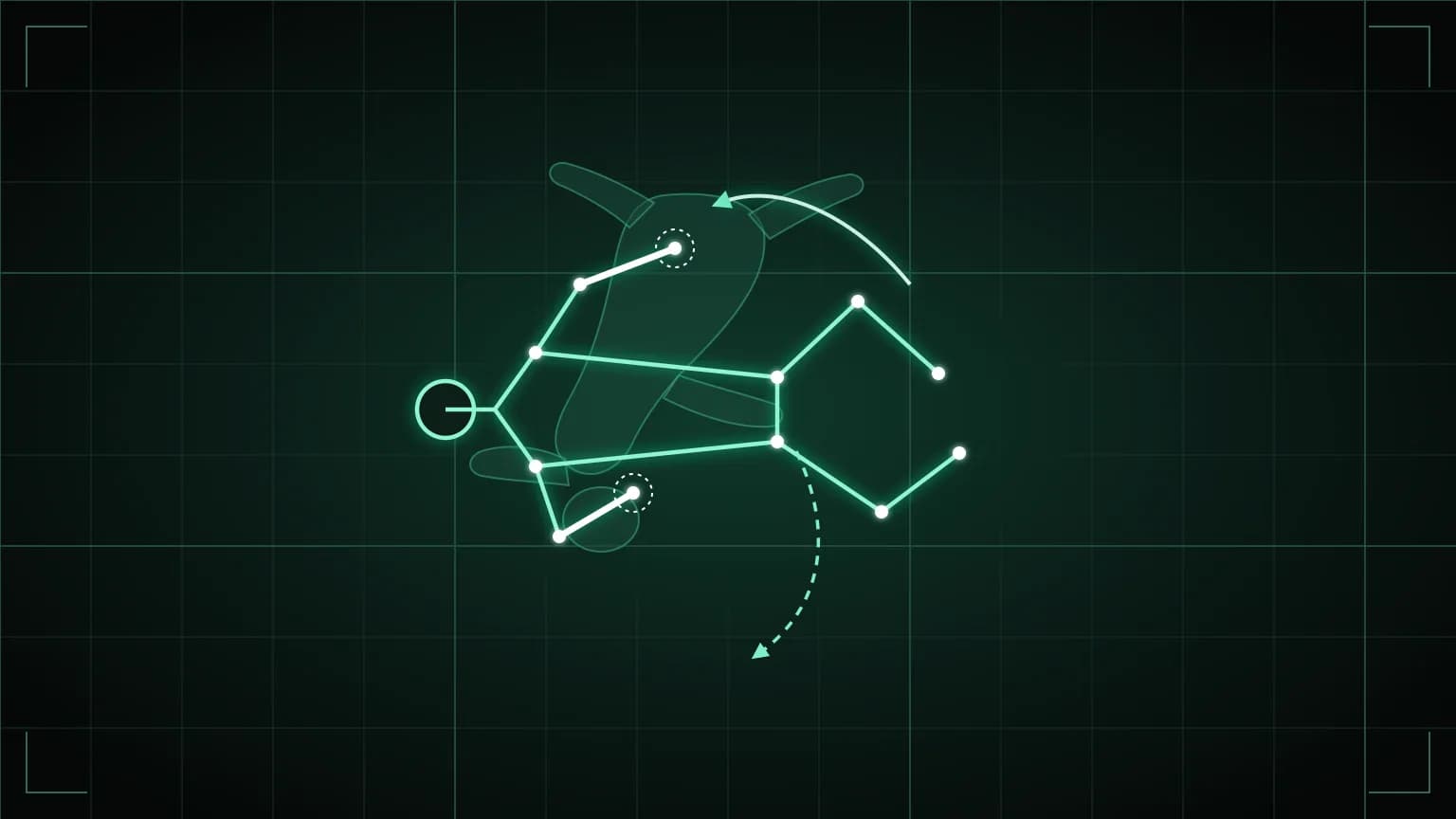
To escape side control, turn onto your side toward your opponent, frame one forearm against their hip and the other against their neck, shrimp your hips away, and slide your knee into the space to recover guard. If they stay heavy on your chest with their hips high, dig an underhook on the near side and come up to your knees instead.
Every escape starts the same way: frames first, hips second. Move your hips without frames and you shrimp nowhere; push with frames and no hip movement and you just get tired.
Know what side control costs you
Side control means your opponent sits across your torso, chest to chest, with both of your legs cleared. Under the IBJJF rules, passing your guard into side control or north-south and holding it for 3 seconds scores your opponent 3 points. From there they can climb further:
| What they reach from side control | IBJJF points | Running total after the pass |
|---|---|---|
| Guard pass held 3 seconds | 3 | 3 |
| Knee on belly held 3 seconds | 2 | 5 |
| Mount held 3 seconds | 4 | 7 |
| Back control held 3 seconds | 4 | 7 or more |
Rule 3.4 lets the passer chain positions: a pass straight into mount adds up to 7 points with a single 3-second count at the end. And nothing in the points table rewards you for escaping. You score from the bottom only with a sweep, and the rulebook defines a sweep as a reversal from your guard or half guard. Get a leg back between you first.
The pass matters for winning, too. In an analysis of 211 bouts from the 2020 IBJJF Pan American Championship, women who scored first won 87.2% of their matches, and when that first score came from a guard pass, the passer won 57 of 61 bouts (93.4%). The design shows an association and cannot prove cause, yet the lesson holds: stop the pass early.
Fight the first 3 seconds
The referee awards the pass only after your opponent stabilizes side control for 3 seconds. If they reach side control but cannot hold it for the full count, rule 5.1 gives them an advantage point instead of 3 points.
That makes the first 3 seconds the cheapest moment to escape. Your opponent has just cleared your legs. Their weight and grips have not settled yet. Use that window:
- Turn onto your side the moment your legs get cleared. Face your opponent. Flat on your back, you give them your chest.
- Get your near forearm to their hip before their knee settles against your side.
- Shrimp once, hard, and put a knee or shin back in front of their hips.
Turning to your side alone does not stop the count. The IBJJF guard pass diagram includes the bottom athlete lying on their side. The leg back in front of their hips stops the count, so the turn only matters because it sets up the shrimp.
Build your frames
A frame is a bone structure that holds space. You lock your forearm and upper arm into a rigid shape so your skeleton takes the weight while your muscles rest.
Set the near-side frame on the hip
Bring your near arm (the arm closest to your opponent's legs) across, elbow tight to your ribs, and place your forearm or the blade of your hand against the front of their near hip. This frame stops them from sliding their hips back down onto you, and it gives you something to push off when you shrimp.
Set the far-side frame in the neck
Slide your far forearm under their chin or against the side of their neck and shoulder, palm facing away. Your elbow points down at the mat and your forearm holds their head and shoulder up. If they crossface you, this frame gets harder to place: swim your arm in during a moment they shift their weight.
Keep your elbows inside
Both elbows stay close to your body. A straight arm pushing on their chest or face offers them a kimura or an americana and burns your energy. Bent arms and locked frames last the whole round. Read the kimura guide to see what a loose far arm gives them.
Move your hips away from your frames
Frames hold space. Your hips create it. Once your frames lock, move your hips away from the frames and the space opens between your elbows and their body.
Shrimp back to guard
Use this first. It works in the gi and no-gi, and it teaches you every other escape.
- Turn to your side and set both frames. Near forearm on the hip, far forearm on the neck.
- Plant your top foot on the mat close to your hip. Your bottom leg stays bent and ready.
- Bridge slightly into your opponent to make them post or shift their weight back toward you.
- Shrimp: push off your planted foot, drive your hips away from them, and push your frames into their hip and neck at the same time. Your body bends like a C.
- Slide your bottom knee through the space between your elbows and their hips. Get your knee and shin in front of their belly.
- Square up into guard. Bring your other leg in, then close your guard or set a hook. The closed guard guide shows how to hold it once you get there.
If one shrimp does not create enough space, re-frame and shrimp again. Two or three small shrimps beat one huge one that loses your frames.
Fix the stalled shrimp
When your knee cannot get through, your opponent usually has their knee jammed into your hip. Turn your shrimp into a foot-first entry: slide your bottom foot and shin under their near knee, then pummel your knee in. Or switch to the underhook escape below.
Come up to your knees with the underhook
Use this when your opponent keeps their hips high and their weight up on your chest, or when they reach toward your far side to set up a crossface or mount.
- Frame on their hip with your near arm, then swim that same arm under their near armpit to get the underhook.
- Turn toward them onto your near shoulder and side.
- Shrimp your hips out to make room under your body.
- Bring your bottom knee under you and come up onto your knee, keeping your head tight to their chest or side.
- Arrive on your knees with the underhook, chest to their side or back. From here you can wrestle up, take a single leg or go for their back.
Keep your head below their head as you come up. With your head low and tight, they struggle to crush you back down. A wrestling turn from the bottom does not meet the IBJJF sweep definition, so treat this escape as a way to get out and start a new exchange.
Pick the escape from what your opponent gives you
| What your opponent does | Your best escape | Why |
|---|---|---|
| Hips low, chest heavy, just passed | Shrimp to guard | Their hips sit close, so your knee has a short path |
| Hips high, weight up on your chest | Underhook to knees | Space under their near armpit lets you swim the underhook |
| Strong crossface on your far side | Frame the hip, then shrimp to half guard first | You cannot place the neck frame, so get one leg back |
| Switches to knee on belly | Push the knee down with your near hand, shrimp toward their feet | Their base narrows and their hips move away from you |
| Steps over to mount | Elbow-knee escape | Read the mount escape guide |
Avoid the six side control mistakes
You stay flat on your back
Flat on your back, you cannot shrimp and your frames have nothing to push from. Turn to your side every time you land under side control.
You push with straight arms
Straight arms fold under body weight and leave your arm exposed to an americana. Bend your elbows and use forearm frames.
You bridge straight up
A bridge straight up only lifts your opponent and drops them back on you. Bridge toward them to shift their weight, then shrimp away.
You reach for their head
Reaching around their head or neck exposes your arm and turns your chest flat. Keep the far forearm under their chin as a frame.
You give up the near underhook
Once they control your near arm, they can walk to mount or knee on belly. Keep your near elbow inside, between your body and their hips.
You try one big explosive escape
One huge shrimp without frames burns your energy and they follow you. Frame, shrimp a little, re-frame, shrimp again.
Drill your side control escapes in 4 weeks
| Week | Solo drills | Partner drills | Positional rounds |
|---|---|---|---|
| 1 | 3 × 10 shrimps each side | Frames only, partner at 30% pressure, 5 × 1 min | None yet |
| 2 | 3 × 10 shrimps plus hip turn to knees | Shrimp to guard, 3 × 8 each side | 3 × 2 min at 50% resistance |
| 3 | 2 × 10 shrimps, 2 × 10 technical stand-ups | Underhook to knees, 3 × 8 each side | 4 × 2 min, partner may switch to knee on belly |
| 4 | Warm-up only | Mix both escapes, 3 × 5 each | 5 × 2 min at full resistance, 3-second rule live |
The solo drills at home guide has more shrimp and hip-turn variations for the first two weeks.
Train the rhythm of a real escape. In 22 regional BJJ fights, high-intensity actions lasted about 4 seconds, with roughly 8 seconds of low-intensity work for every second of high-intensity work. Side control feels the same: you hold frames calmly, then explode for one shrimp. Drill both halves.
Keep the resistance honest and the intensity controlled. Most BJJ injuries happen in live training. In a survey of 1,140 athletes from 62 countries, 77.6% of injuries occurred during sparring and the knee was the most common site at 27.1%. A 2025 survey of 881 practitioners found 5.5 injuries per 1,000 training hours, with 79% of training injuries during sparring. In a survey of 1,287 adults, 59.2% reported at least one injury in 6 months, and more training days per week went with more injuries. In a single-club survey, 91% of 70 members had been injured in training, mostly with sprains and strains of the fingers, arms and neck, and a US survey traced 85.3% of 156 injuries to practice rather than competition.
Positional rounds from side control let you get hundreds of reps with less chaos than open rolling. Tap early when your partner catches your arm, and tell your partner to release pressure on your ribs or neck if you feel sharp pain. If you feel pain in your ribs when you breathe after a round, or neck pain that runs down your arm, stop training and see a doctor.
Get quick answers
What is the easiest side control escape for beginners?
The shrimp back to guard. Turn to your side, frame on the hip and neck, shrimp your hips away and slide your knee in. It also teaches you the hip movement every other escape uses.
How many points is side control in BJJ?
Under IBJJF rules, passing guard into side control or north-south and holding it for 3 seconds scores 3 points. If your opponent reaches it but cannot hold it 3 seconds, they get an advantage instead. The BJJ points calculator adds up a full match.
Should you push on your opponent's chest to escape?
No. Straight-arm pushing tires you out and exposes your arm to an americana or kimura. Use bent-arm forearm frames on the hip and neck, then move your hips.
What should you do after escaping side control?
Secure your guard right away, or, if you came up to your knees, keep your underhook and attack a single leg or their back. Then work on sweeps so you score from the bottom.
Can you escape side control without shrimping?
Yes. The underhook to your knees uses a hip turn more than a shrimp. Still, almost every escape needs some hip movement away from your opponent.
Why do I keep getting mounted when I escape side control?
You probably stay flat or let your near elbow drift away from your body. Your opponent then slides their knee across your belly. Keep your near elbow inside and turn to your side early. The BJJ for beginners guide shows which positions to learn first.
Check the sources
- IBJJF Rules Book, version 6.1, June 2024: articles 2.5.2, 3.1, 3.4, 4.2, 4.6 and 5.1
- Ferreira dos Santos MA and colleagues. First scoring-event acquisition is associated with victory in female Brazilian jiu-jitsu: 211 official combats. Sports (Basel). 2026
- Hinz M and colleagues. Injury patterns, risk factors, and return to sport in Brazilian jiu jitsu: a cross-sectional survey of 1140 athletes. Orthop J Sports Med. 2021
- Stegerhoek PM and colleagues. Injury prevalence among Brazilian Jiu-Jitsu practitioners globally: a cross-sectional study in 881 participants. BMJ Open Sport Exerc Med. 2025
- Moriarty C, Charnoff J, Felix ER. Injury rate and pattern among Brazilian jiu-jitsu practitioners: a survey study. Phys Ther Sport. 2019
- Petrisor BA and colleagues. Injury in Brazilian jiu-jitsu training. Sports Health. 2019
- Andreato LV and colleagues. Physiological and technical-tactical analysis in Brazilian jiu-jitsu competition. Asian J Sports Med. 2013
- Hunker JJ and colleagues. Injuries common to the Brazilian jiu-jitsu practitioner. Cureus. 2023
- Grappling AI: Mat Coach on Google Play