Technique
Leg Lock Guide: BJJ Positions, Safety, and IBJJF Rules
Learn the main BJJ leg locks, recognize ashi garami positions, tap early, and check which attacks IBJJF allows by adult belt and uniform.
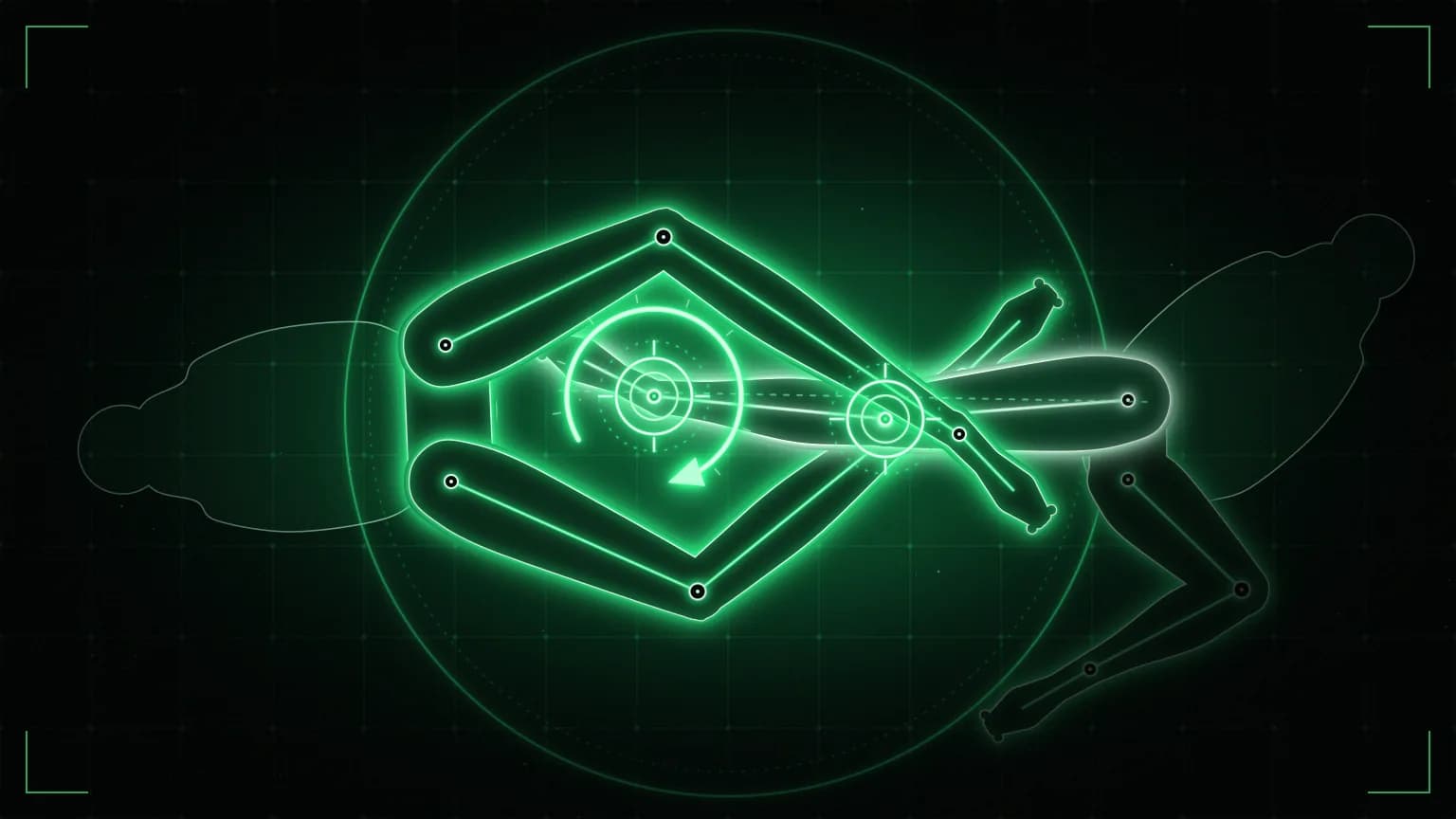
A leg lock is a grappling submission that controls the hip and leg before applying pressure to the ankle, knee, or surrounding tissue. In BJJ, learn the position first, check the rules for your exact division, tap before pain, and release as soon as your partner taps or says stop.
The main families include the straight ankle lock, kneebar, toe hold, heel hook, and calf slicer. Each one creates a different force, and the current IBJJF rules allow them in different adult belt and uniform divisions. A legal technique can still injure your partner when you apply it quickly or ignore a tap.
Learn the five main leg lock families
Use the names to recognize the task. Ask your coach to teach the grip, direction, legal finish, and escape for your ruleset.
| Leg lock | Main control and pressure | Training priority |
|---|---|---|
| Straight ankle lock | Controls the leg and applies straight pressure through the ankle and foot | Keep the position stable and learn the legal grip and turning direction |
| Kneebar | Aligns and extends the knee joint | Control above and below the knee and finish slowly |
| Toe hold | Uses a figure-four grip on the foot to create rotational pressure | Keep the movement small and release immediately on the tap |
| Heel hook | Controls the leg, captures the heel, and sends rotation toward the knee | Catch and release under qualified coaching before you practise a finish |
| Calf slicer | Compresses the calf and bends the knee around a fulcrum | Apply gradual pressure and respect the early tap |
These categories describe families. Coaches use different names for grip details and entries. Tournament rules judge the action you perform, so a familiar position does not make every finish from it legal.
Read the heel hook guide for the detailed control, rules, and tap-and-release protocol for that specific family. Keep the broader map here beside it so you do not treat every ashi garami position as a heel-hook position.
Understand ashi garami
Ashi garami means leg entanglement. You use your legs and hips to control one or both of your partner's legs while your hands address the foot, ankle, or knee line. The position should let you control distance and rotation without squeezing unpredictably or falling across the joint.
Common position names include:
Straight ashi garami
You control one leg between your own legs while your feet and knees frame the hip and thigh. Many schools also call a related standing-sweep position single-leg X. Your coach should separate the sweep position from the submission configuration and show where each foot may go under the rules you follow.
Outside ashi
Both of your legs sit to the outside of the controlled leg. The position can provide strong control, but your hip direction and foot placement can also create dangerous rotation. Move slowly and follow your coach's escape rules.
Fifty-fifty
Each partner entangles one of the other's legs, creating mirrored access and shared control. The position can support sweeps, passing, ankle locks, and, in divisions that permit them, heel hooks. Keep the legal attack and the opponent's available counterattack clear.
Cross ashi or saddle
You control the legs across your body with your partner's trapped leg crossing your hip line. Schools use several names for related configurations. In IBJJF competition, knee-reaping rules and heel-hook permissions make the exact leg position and action important.
| Position question | What you should identify |
|---|---|
| Which leg do you control? | Name the trapped leg before you change grips |
| Where is the knee line? | Ask whether the knee remains inside your controlling legs |
| Which way can each athlete rotate? | Stop when an escape would twist a trapped knee |
| Which finish does your division permit? | Check the current official table before drilling it |
| How will your partner tap? | Agree on hand, foot, and verbal signals before the round |
Position names vary between gyms. The safety checkpoint remains concrete: both partners must know which joint the position controls, which direction ends the drill, and how the attacker will release.
Check current IBJJF adult leg lock rules
The IBJJF Rule Book version available through its official rules library includes a table titled “Technical Fouls, Illegal Moves.” The table marks prohibited techniques by age, belt, and gi or no-gi division. For adult divisions, it produces this practical summary:
| Adult division | Straight ankle lock | Kneebar | Toe hold | Calf slicer | Heel hook |
|---|---|---|---|---|---|
| White belt, gi | Allowed | Prohibited | Prohibited | Prohibited | Prohibited |
| White belt, no-gi | Allowed | Prohibited | Prohibited | Prohibited | Prohibited |
| Blue or purple belt, gi | Allowed | Prohibited | Prohibited | Prohibited | Prohibited |
| Blue or purple belt, no-gi | Allowed | Prohibited | Prohibited | Prohibited | Prohibited |
| Brown or black belt, gi | Allowed | Allowed | Allowed | Allowed | Prohibited |
| Brown or black belt, no-gi | Allowed | Allowed | Allowed | Allowed | Allowed |
“Allowed” in this table means the named family is not marked as prohibited for that adult belt and uniform column. It does not approve every grip, reaping position, turning direction, or finish. The same table separately marks knee reaping, locks that twist the knees, turning the wrong way during a straight foot lock, and outward pressure in a toe hold.
The straight foot lock appears as row three. The table prohibits it only for younger age groups, so adult belts may use the legal straight version. The calf slicer, kneebar, and toe hold appear on rows thirteen through fifteen. The table prohibits them through adult blue and purple belt, then allows them for adult brown and black belts in gi and no-gi. The heel hook appears on row seventeen and remains prohibited in every column except adult brown and black belt no-gi.
Youth rules differ. Event organizers can also publish updates or use another ruleset. Open the IBJJF rules library and your event information before every competition. Use the IBJJF illegal techniques checker to review the full table for your age, belt, and uniform.
Put safety before the finish
Leg locks can create force before the receiving athlete feels a useful pain warning. The safest training culture removes speed, surprise, and ego from the finish.
Follow these partner rules:
- Name the position and intended finish before the drill starts.
- Agree on hand taps, foot taps, and a verbal stop.
- Enter the control without throwing your body across the joint.
- Pause when you secure the position so both partners can recognize it.
- Add pressure gradually only when your coach has approved the drill.
- Tap when the position feels caught, before you wait for pain.
- Release the grip and leg entanglement immediately.
Never punish an early tap. The receiving partner may feel tension you cannot see. Reset, ask what they felt, and reduce the range or speed.
A published heel-hook case report described a complete anterior cruciate ligament rupture with a medial collateral ligament injury after rotational force reached a flexed knee. One case cannot predict every training outcome, but it demonstrates why you should control rotation and release early. Treat sudden pain, swelling, instability, or loss of motion as a reason to stop and seek qualified medical care.
Learn the straight ankle lock first
Many adult beginners meet the straight ankle lock before other leg submissions because the IBJJF table permits its legal form for adult white belts. That permission does not make it self-taught or harmless.
Ask your coach to teach four parts:
- How to enter a stable coach-approved ashi garami without falling across the knee.
- How to control the leg and knee line before touching the finish.
- Which forearm and hand position creates a legal straight ankle lock.
- Which rotation or foot placement changes the action into a prohibited one.
Drill the position, then the release. Let your partner escape along one agreed path while you maintain light control. Add a catch-and-release finish only after both of you can stop without scrambling.
Connect leg locks to passing and sweeping
Leg entanglements also create sweeps, passing exchanges, and back exposure. If you chase only the foot, you can lose the position or leave your own legs available.
Start from a position your academy already teaches. Enter from open guard, settle the entanglement, and identify your partner's base. Practise coming on top when they remove the trapped leg. That approach connects the leg-lock exchange to the position hierarchy from the BJJ beginner guide.
From closed guard, build posture control and angles before you open your legs. Do not throw an uncontrolled leg entanglement into a live round simply because the foot becomes visible.
Use positional sparring with a narrow goal. The bottom player tries to enter a named ashi position or sweep. The top player clears the knee line and establishes a pass. Reset before either athlete applies a finish until your coach adds that phase.
Film a safe leg lock drill
Place your phone outside the mat at a high front-oblique angle. Keep both athletes' hips, knees, feet, and hands in frame. Record a slow positional drill or catch-and-release rep. Avoid filming a hard finish for demonstration.
Review the entry, the moment the knee line becomes controlled, the partner's escape direction, the tap, and the full release. If a limb leaves the frame, move the camera before the next rep.
Fix common leg lock mistakes
You reach for the foot before controlling the leg
Secure the position and knee line first. A loose attack creates a scramble and gives your partner room to rotate unpredictably.
You learn one ruleset from memory
Open the current event rules. Belt, age, uniform, and organizer can change what you may use.
You wait for pain before tapping
Tap when your partner has stable control and begins the approved finish. Pain arrives too late to serve as your only signal.
You keep your leg entanglement after the tap
Release the finishing grip and your leg control at once. Your partner needs a clear exit from the entire position.
You roll hard to escape
Follow the escape direction your coach taught. Tap when the knee cannot rotate freely or when you lose track of the trapped joint.
Get quick answers
What is a leg lock in BJJ?
It is a submission that controls the hip and leg before applying pressure to the ankle, knee, or surrounding tissue. Common families include the straight ankle lock, kneebar, toe hold, heel hook, and calf slicer.
What does ashi garami mean?
It means leg entanglement. You use your legs and hips to control your partner's leg while you sweep, pass, or prepare a legal submission.
Can an IBJJF white belt use an ankle lock?
An adult white belt may use the legal straight foot or ankle lock in gi and no-gi under the current IBJJF table. Other age groups and specific finishing actions have different restrictions, so check the official rules.
When does IBJJF allow heel hooks?
The current IBJJF table allows heel hooks only in adult brown and black belt no-gi divisions. It prohibits them in the other listed divisions.
When should you tap to a leg lock?
Tap when your partner has stable control and begins the coach-approved finish. Use a verbal tap when your hands or feet cannot signal clearly, and expect immediate release.