Technique
Americana Lock: Setup From Side Control and Mount
Finish the americana from side control, mount and half guard: pin the wrist, thread the figure four, draw it to the hip. Rules, defenses, injury data.
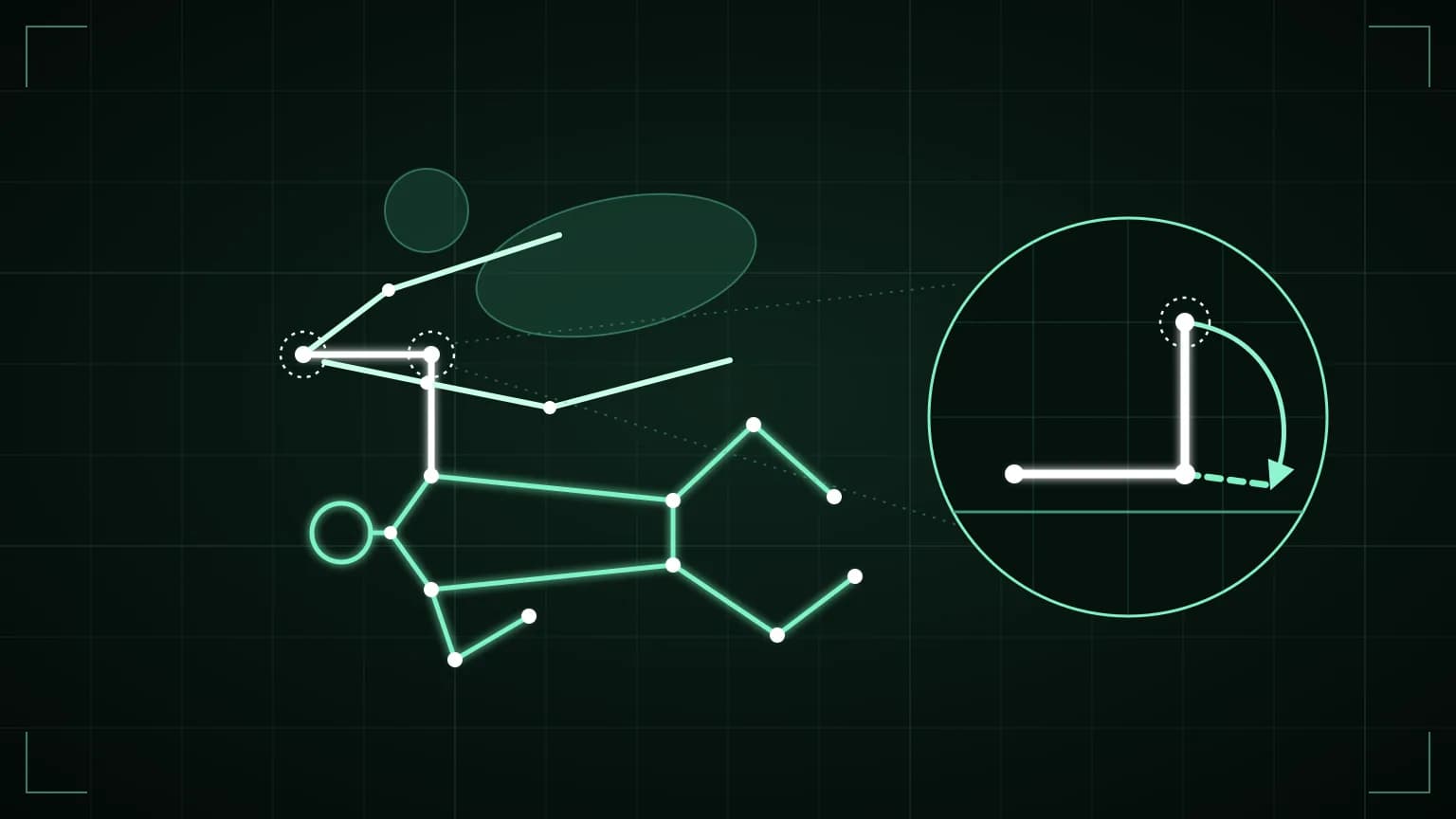
To finish an americana, pin your opponent's wrist to the mat beside their head, thread your other arm under their elbow, grab your own wrist, and draw their wrist along the mat toward their hip while their elbow stays bent at about 90 degrees. You can use it at every belt: the IBJJF illegal-moves table lists no shoulder lock, and the ADCC rules list shoulder locks as legal.
The americana rewards patience more than speed. You win the position first, pin the wrist second and finish third, and a rushed finish forces a hand off the mat that your opponent needs to escape. Below you get the steps from side control, mount and half guard, the kimura difference, three defenses, the rules by ruleset and what the injury research says about shoulders.
Know what the americana is and what the kimura is
The americana is a shoulder lock: you bend one arm to 90 degrees and rotate it at the shoulder until your opponent taps. Judo calls the family ude-garami. The International Judo Federation defines it as using both arms to entangle one of your opponent's arms while twisting it to the outside or inside to control the elbow. The IJF also lists gyaku-ude-garami, the reverse version, as its own technique under the joint locks. The same arm lock gets different names depending on the room you train in: americana, keylock, ude-garami.
The kimura twists the other way. Hinz and colleagues describe the kimura as forcing the defender's shoulder into forceful internal rotation, which makes the americana the outside twist of the same arm entanglement.
| Americana | Kimura | |
|---|---|---|
| Direction at the shoulder | Outside twist | Inside twist (forceful internal rotation) |
| Where their wrist travels | Along the mat toward their hip | Behind their back |
| Typical start | Side control, mount, top half guard | Guard, side control, north-south |
| Names you hear | Keylock, ude-garami | Gyaku-ude-garami |
Read the kimura lock guide for the inside twist and the supervised drilling rules that apply to both locks.
Take the position before you take the arm
Every americana starts with a position that scores. Under the IBJJF Rules Book, a stabilized position earns points after 3 seconds (Article 3.1) and a pass followed by mount adds up (Article 3.4). Under the ADCC rules, you earn points only in the second half and in overtime, and you never chain positions.
| Position you hold while you set the americana | IBJJF points | ADCC points |
|---|---|---|
| Side control after a guard pass | 3 | 3 for the pass |
| Mount after the pass | 4 more, 7 in total | 2, only after 3 seconds between the two positions |
| Knee on belly | 2 | 2 |
| The americana itself | Ends the match | Ends the match |
Run your own numbers in the ADCC points calculator. It shows you why a first-half ADCC pass scores nothing, so you set up the americana without any rush to score.
Set up the americana from side control
You pass the guard, settle your chest across theirs and look for the near arm. Their arm drifts out when they frame on your hip or push on your chest, so the americana finds you more often than you find it.
- Flatten them first. Keep your chest low and your hips heavy. A flat opponent has less room to bridge.
- Pin the wrist. Use your far hand, the one on their side of the mat, to press their wrist flat on the mat beside their head. Their elbow bends to about 90 degrees.
- Thread your near arm under their elbow. Slide it from the hip side, under their upper arm, and grab your own wrist, palm over wrist. You now hold a figure four.
- Raise their elbow slightly. Keep their wrist on the mat. Their forearm becomes a lever, and your chest keeps their shoulder down.
- Draw the wrist toward their hip. Slide it along the mat in a slow arc, like painting a stripe. Stop when they tap, and release immediately.
- Release on the tap. Let go of the figure four, and let their arm come back to their side. Never finish a rep after a tap.
Your weight does most of the work. If you pull with your arms, you lose the wrist pin and the lock softens. Read the side control escape guide to see what your opponent does to stop the setup.
Set up the americana from mount
Mount gives you the most weight on their shoulder and the most ways to lose the position, so you work slowly.
- Climb high. Walk your knees toward their armpits. A high mount pins their elbows near the mat.
- Take the wrist you can reach. When an elbow comes up to push on your hips, press that wrist flat to the mat beside their head.
- Thread under and grab your wrist. Your free arm goes under their elbow, as in side control. You still sit on their torso.
- Lower your chest and square your hips. Your weight pins their upper arm. You can drive their elbow into the mat with your sternum.
- Draw the wrist toward their hip. Keep your knees tight so they cannot bridge you over.
If they bridge hard, post your free hand, ride the bridge and settle again. You score under IBJJF rules for the mount (4 points) and the escape the mount guide shows you what they do to remove it.
Set up the americana from half guard
Top half guard gives you less control of the shoulder, so you earn the arm with the crossface and a flat opponent.
- Win the crossface. Put your forearm across their jaw and turn their face away from your trapped leg.
- Flatten their shoulders. Their back reaches the mat. If their near arm frames on your hip, it extends toward their head.
- Pin the wrist and thread under. Follow steps 2 and 3 from side control, with your hips low.
- Keep your trapped leg heavy. A light hip lets them recover full guard or roll out.
- Draw the wrist to their hip, or pass. If the arm slips free, finish the pass: the IBJJF defines half guard as one leg trapped and counts the pass at 3 points when you hold side control for 3 seconds (Article 4.2).
Fix the faults that stall the finish
| Fault | What happens | Fix |
|---|---|---|
| You lift the wrist off the mat | The arm straightens and your opponent frees it | Keep the wrist on the mat until the tap |
| You pull with your arms | The lock softens and you tire | Lower your chest and let your weight drive the wrist |
| You crank the wrist itself | You press a wrist lock, which the IBJJF bans for white belts | Aim the pressure at the elbow and shoulder |
| You thread your arm too high | Your opponent keeps their elbow low and slips out | Reach under the elbow, close to the mat |
| You rush the finish | Your opponent bridges and rolls | Win the pin, the thread and the figure four, in that order |
| You lose the crossface | Your opponent turns into you | Rebuild the crossface and start again |
The wrist lock row comes from the IBJJF illegal-moves table. It bans the wrist lock for white belts in adult and master divisions, for juveniles at every belt and for kids, and it lets blue belts and above use it in adult and master divisions. Your americana should still aim at the shoulder.
Defend the americana in three layers
You stop the americana before it exists. The best defense happens when your arm is still out.
- Close the arm. Keep your elbows tight to your ribs. A straight arm pushing on a chest, or a wrist beside your head, offers the lock. Bent, glued frames give your opponent nothing to pin.
- Hide the wrist. Clasp your own hands or grab your belt, so your opponent cannot pin one wrist to the mat. If they already pinned it, bring that wrist toward your ribs before they thread under.
- Turn into them. Roll onto your side toward your opponent. The turn takes the pin off your wrist and gives you the room to shrimp and recover guard.
If the figure four locks in, tap early. A shoulder gives no second warning. For what comes next, read the armbar guide and the kimura lock guide: when your opponent straightens an arm to defend the americana, the armbar follows, and when they pull the arm behind them, the kimura follows.
Check where the americana is legal
| Ruleset | Americana legal? | What to check |
|---|---|---|
| IBJJF, all belts and ages | Yes. The 26-item illegal-moves table (Article 6.2.3, page 29) lists no shoulder lock | Wrist locks stay illegal for white belts, juveniles and kids |
| ADCC adults and masters | Yes. Shoulder locks sit on the legal list | Heel hooks, scissor takedowns and slams carry bans at some skill levels |
| ADCC Open, youth 12 and under | Yes. The americana is on the legal list | Straight ankle locks, heel hooks and wrist locks are illegal |
| Judo | The IJF lists ude-garami as a joint-lock technique | Read your own tournament rules before you compete |
Rules change by event. Your organizer's page has the last word.
Know the shoulder risk, and where the data stops
Researchers do not measure the americana alone. They measure shoulders, and they measure submissions, so you read the numbers with that limit in mind.
- Shoulders rank high. In a survey of 1140 athletes, Hinz and colleagues recorded 1052 injuries that cost at least 2 weeks of training. The knee (27.1%) and the shoulder (14.6%) led the body regions.
- Submissions hurt the person who gets caught. In the same survey, 78.9% of submission injuries hit the athlete who got submitted. Among those, the armbar caused 22.4% and the kimura 12.6%.
- Shoulders appear in a second survey. Stegerhoek and colleagues surveyed 881 athletes who reported 888 injuries. The knees (25%) and the shoulders (13%) were the most affected regions, and the rate was 5.5 injuries per 1000 training hours.
- Emergency rooms see shoulder dislocations. In a 10-year review of US emergency departments, the shoulder made up 12.14% of injured body parts and 32.49% of dislocations.
- Training injures more athletes than competition. At 8 Hawaiian tournaments, Scoggin and colleagues counted 9.2 injuries per 1000 match participations, and the elbow was the joint most injured. Petrisor and colleagues surveyed one club: 91% of athletes got injured in training and 60% of competitors in competition.
These studies use self-report and small samples, and none of them isolates the americana. They tell you that shoulder locks sit inside a sport where most injuries happen in sparring, so your best protection is control in training: tap early, release at once and drill slowly.
See a physician if your shoulder swells, loses movement or goes numb, if pain lasts more than a few days after training, or right away if the shoulder looks out of place. This page is training information, not medical advice.
Drill the americana in four weeks
Train with a partner and a coach nearby, agree on a tap before you start and keep every rep slow.
| Week | Drill | Resistance |
|---|---|---|
| 1 | Pin, thread and figure four from side control, 10 slow reps per side | None |
| 2 | Add the finish as a slow arc, stopping at the first sign of tension, 10 reps per side from side control and 10 from mount | None |
| 3 | Start in side control, your partner frames and bridges, 3 rounds of 2 minutes | Light |
| 4 | Start in half guard on top, you flatten, pin and thread, 3 rounds of 2 minutes | Medium, with a tap rule |
Keep a note after each round: where the wrist lifted, where you lost the crossface, which hand your partner hid.
Common questions
What is the difference between the americana and the kimura?
The twist runs the other way. The americana twists the arm to the outside and draws the wrist along the mat toward the hip. The kimura twists the arm to the inside, which Hinz and colleagues describe as forceful internal rotation, and takes the wrist behind the back.
Is the americana legal for white belts in IBJJF?
Yes. The IBJJF illegal-moves table has no shoulder lock in its 26 rows. Wrist locks stay illegal for white belts, so you aim the pressure at the shoulder and elbow.
Is the americana legal in ADCC?
Yes. The ADCC rules list any arm bar, shoulder lock or wrist lock as legal for adults, and the americana appears on the legal list for kids 12 and under.
Why does my americana not finish?
Usually your opponent's wrist left the mat, your figure four sits too high on the elbow or you lost your chest pressure. Rebuild the pin, thread under the elbow and let your weight do the work.
How many points is an americana worth?
None. The americana ends the match by submission. The position you hold while you set it up scores: 3 points for a pass and 4 for mount under IBJJF rules, and 3 for a pass and 2 for mount under ADCC rules.
Check the sources
- IBJJF Rules Book, version 6.1, June 2024: Articles 3.1, 3.4, 4.2, 4.6 and 6.2.3, page 29 illegal-moves table
- ADCC Rules and Regulations, PDF dated 24 September 2026: legal and illegal techniques, positive points, three-second rule, Open modifications
- International Judo Federation, Ude-garami technique page
- International Judo Federation, Gyaku-ude-garami technique page
- Hinz M and colleagues. Injury patterns, risk factors, and return to sport in Brazilian jiu jitsu: a cross-sectional survey of 1140 athletes. Orthop J Sports Med. 2021
- Stegerhoek PM and colleagues. Injury prevalence among Brazilian Jiu-Jitsu practitioners globally: a cross-sectional study in 881 participants. BMJ Open Sport Exerc Med. 2025
- Hasegawa ME and colleagues. Increasing trend in Brazilian Jiu Jitsu injuries presenting to U.S. emergency departments: a 10-year analysis and injury profile. Phys Sportsmed. 2024
- Scoggin JF and colleagues. Assessment of injuries during Brazilian jiu-jitsu competition. Orthop J Sports Med. 2014
- Petrisor BA and colleagues. Injury in Brazilian jiu-jitsu training. Sports Health. 2019
- Grappling AI: Mat Coach on Google Play and Google Play